Overview
A NAS (Network Attached Storage) is the data storage hub for many homes and small businesses. However, accessing files on your NAS when away from your local network usually requires complex network configurations like DDNS, Port Forwarding, or VPN.
With HomiPlay, you can skip all these complicated setup steps and securely access your home NAS from anywhere. This means you no longer have to worry about security vulnerabilities caused by router misconfigurations, nor do you need to memorize complex external URLs.
HomiPlay utilizes advanced P2P penetration technology to establish a secure and encrypted dedicated tunnel between your device and your home NAS. Even if your NAS is behind strict NAT or your ISP doesn't provide a public IP, HomiPlay ensures a smooth experience exactly like being on your local network.
Benefits
No need for DDNS or Port Forwarding, eliminating port scanning risks
P2P direct connections ensure maximum file transfer speeds
End-to-end encryption protects your private files and data
Perfectly supports all native NAS brands and connectivities
Bypass dynamic IP and CGNAT restrictions effortlessly
Access your NAS on the go with the HomiPlay mobile App
Setup Steps
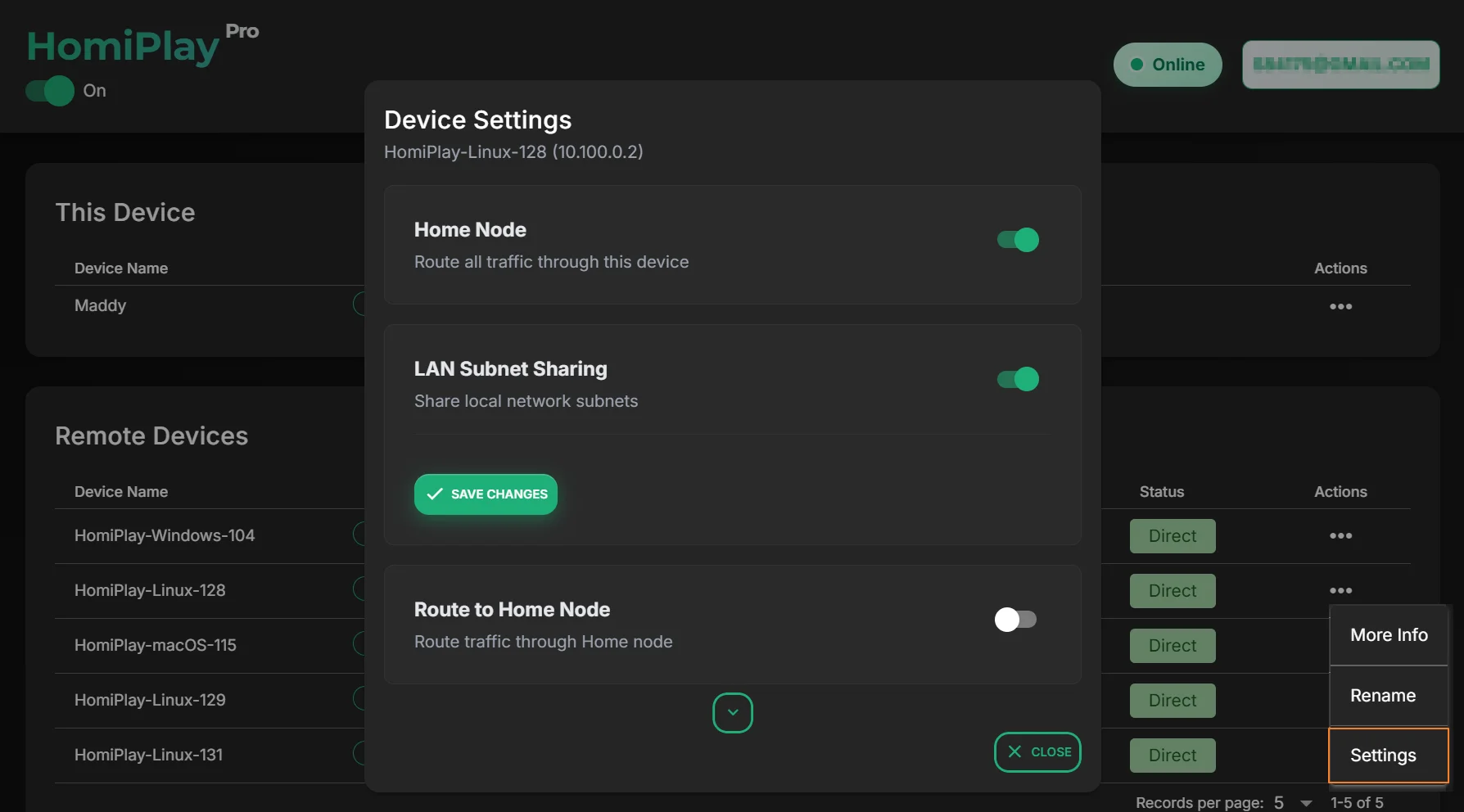
Install HomiPlay on the Home Network
Install HomiPlay on a device (e.g., a PC or supported server) within the same local network as your NAS and sign in. This device will act as your Home Center.
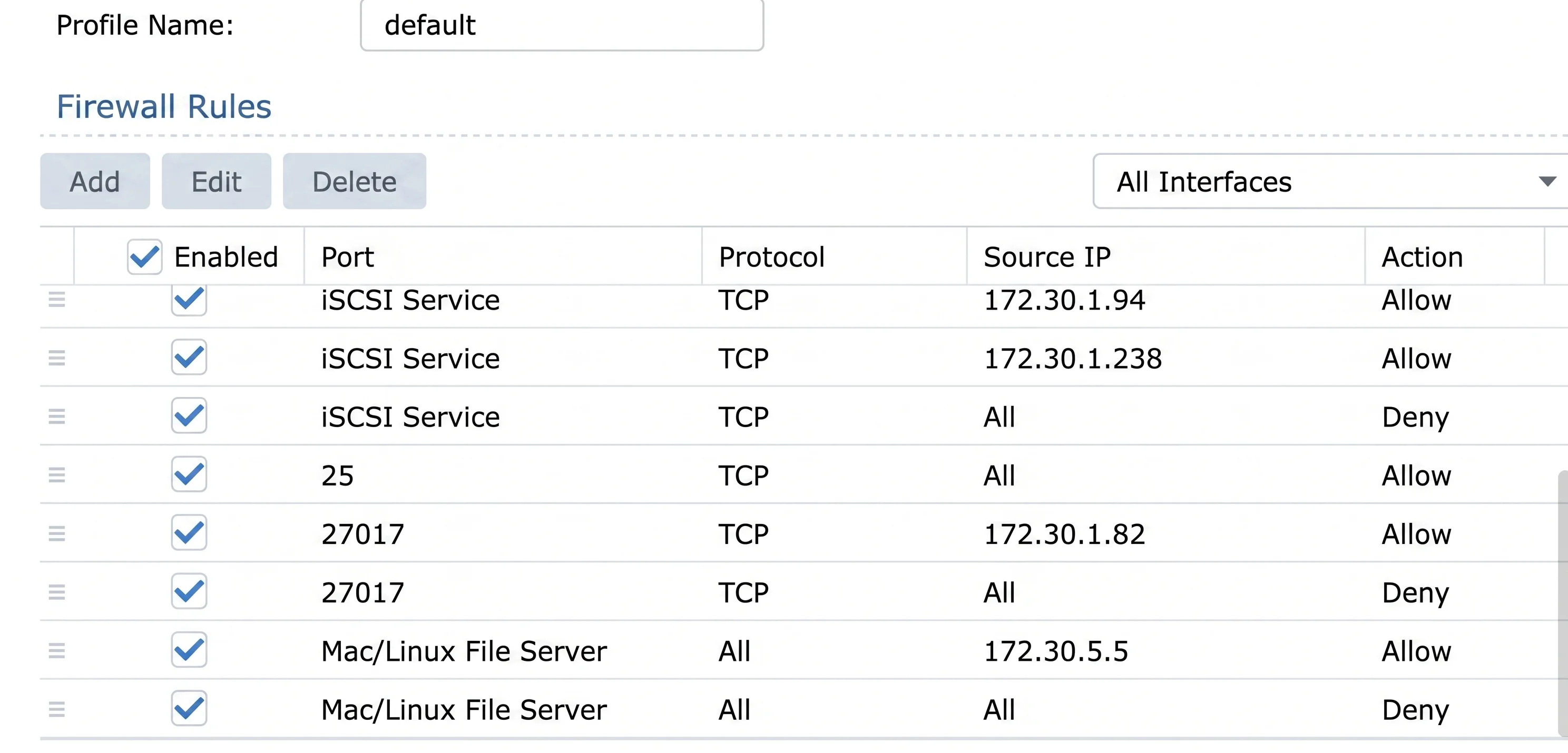
Configure Network Access
Ensure that the HomiPlay Home Center has access to the NAS on the local network. You do not need to open any outbound ports on your router; HomiPlay handles the connections automatically.
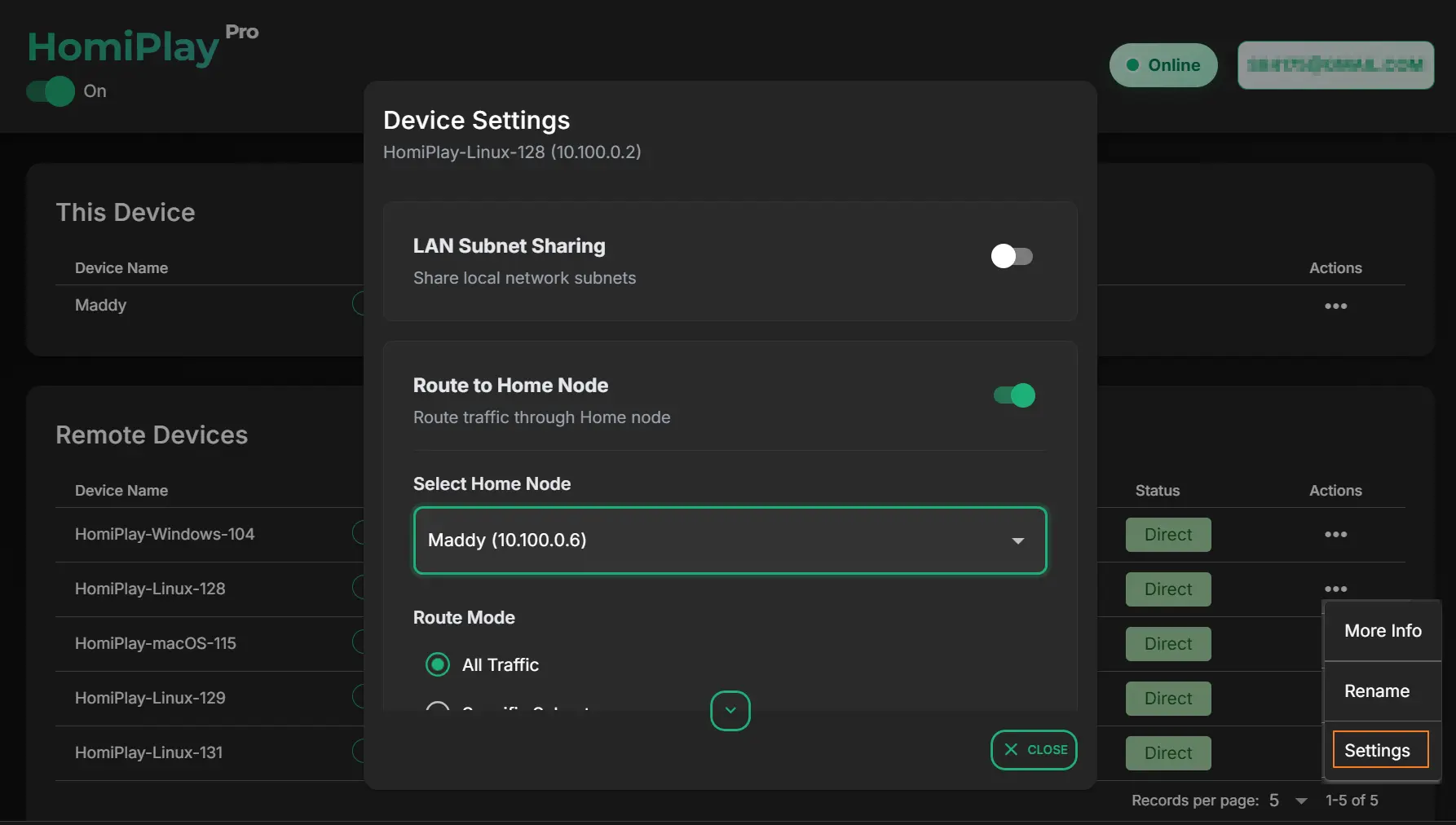
Install HomiPlay on Your Remote Device
Install HomiPlay on your laptop, phone, or tablet, and sign in with the same account. The device will automatically connect to your personal virtual network.
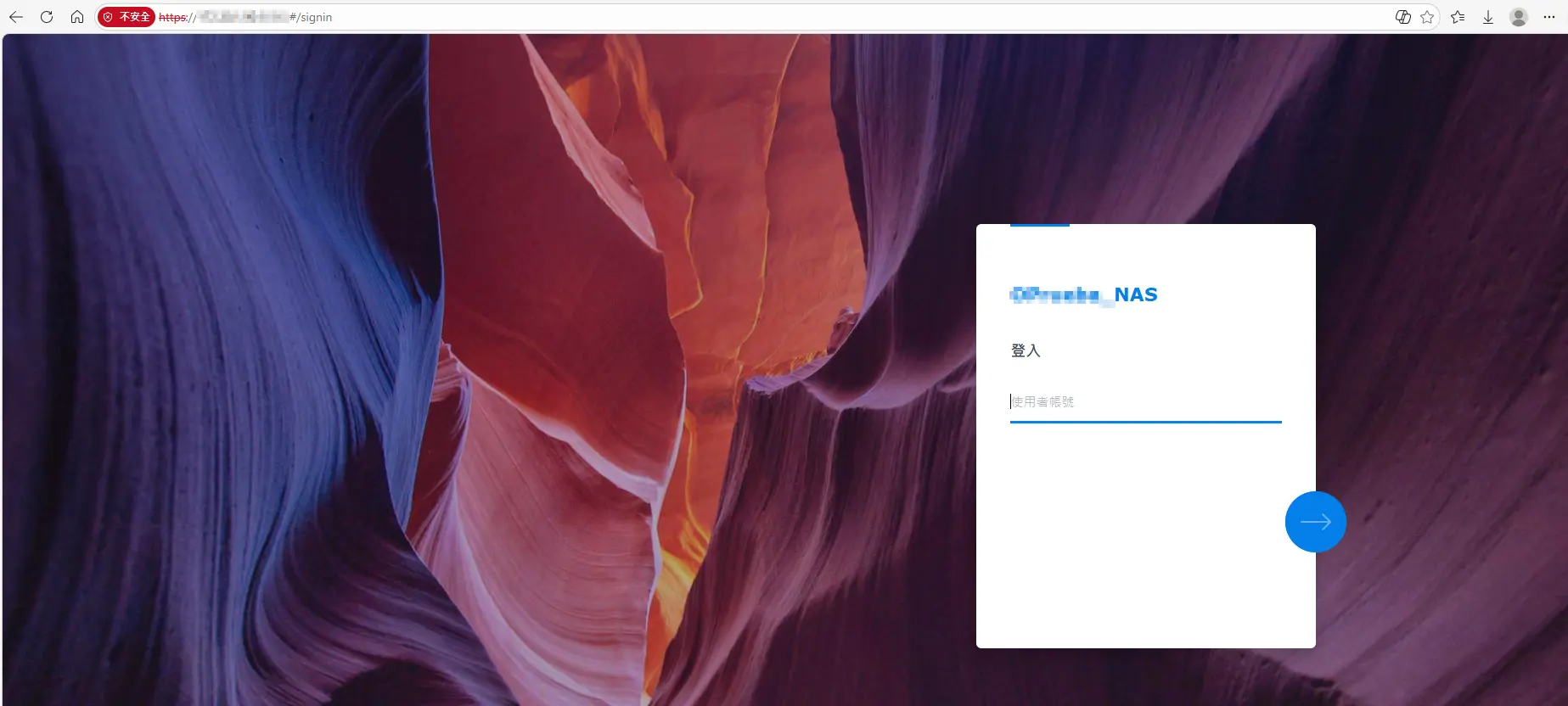
Access NAS Through HomiPlay
Once connected, simply enter your NAS's local IP address (e.g., 192.168.1.100) in your browser to access its management interface or native services without any additional configuration.
Other Use Cases
Play your PS5 remotely just like you're at home.
Connect faster, play without lag, and enjoy clear visuals.
Learn MoreAccess Your Home OpenClaw AI Workspace Remotely
Securely connect back to your home OpenClaw, local LLMs, and AI agents with no VPN, fixed IP, or port forwarding.
Learn MoreSet up Mac screen sharing fast. Make remote control feel instant.
Combine HomiPlay's secure tunnel with macOS's built-in VNC screen sharing for a low-latency, high-security remote desktop experience.
Learn MoreSet up Windows Remote Desktop the simple way. Make remote work feel smooth.
Combine HomiPlay's secure tunnel with the built-in Windows Remote Desktop feature for a low-latency, high-security remote desktop experience.
Learn MoreStay safe on public WiFi with your own VPN.
Route your connection back home so your data is no longer exposed.
Learn More